Astronomers & scientists
101 astronomers and scientists with multilingual biographies, from ancient sky cultures to modern precision astronomy.
Ancient sky cultures
Gan De
Early Chinese systematic planetary and stellar observations associated with ancient star catalog traditions.
CN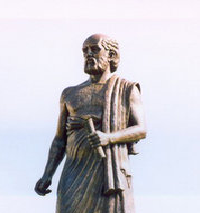 310 BCE–230 BCE
Aristarchus of Samos
Proposed a heliocentric arrangement and estimated relative sizes and distances of the Sun and Moon.
GR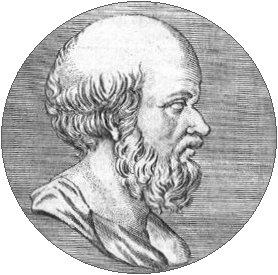 276 BCE–194 BCE
Eratosthenes
Measured Earth’s circumference using solar geometry and geographic separation.
EG · GR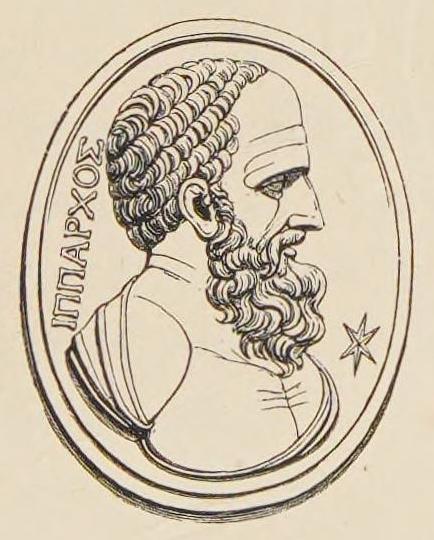 190 BCE–120 BCE
Hipparchus
Positional astronomy, star catalogues and precession.
GR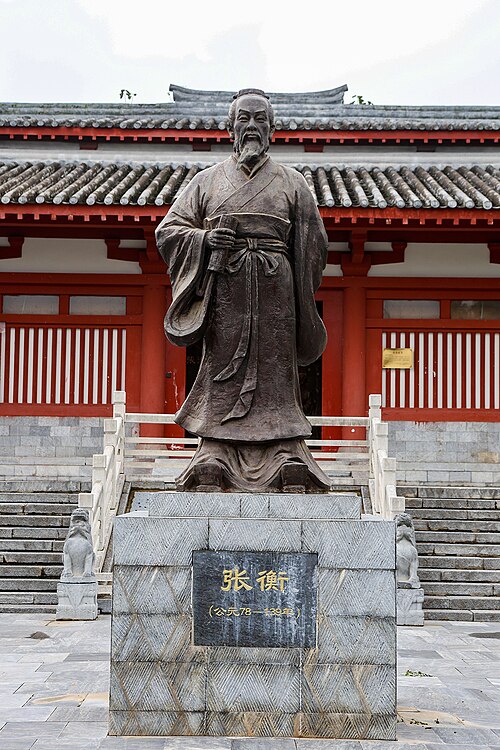 78–139
Zhang Heng
Developed celestial models, star catalog work and instruments in Han-dynasty China.
CN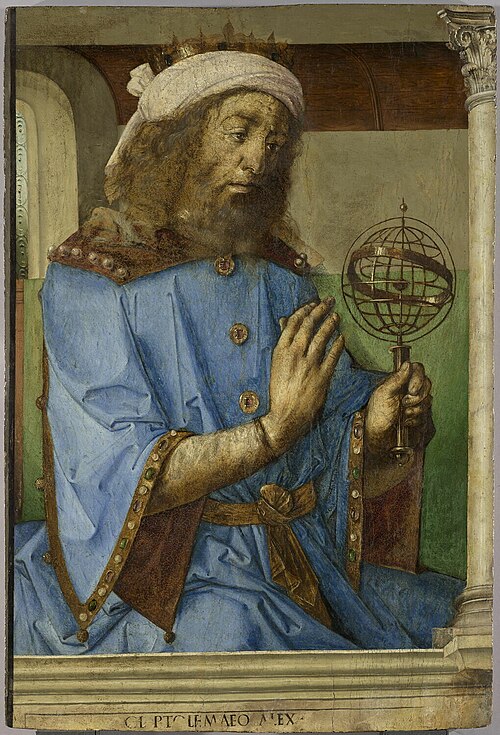 100–170
Claudius Ptolemy
Mathematical geocentric astronomy and the Almagest.
EG · GRMedieval & Islamic astronomy
 476–550
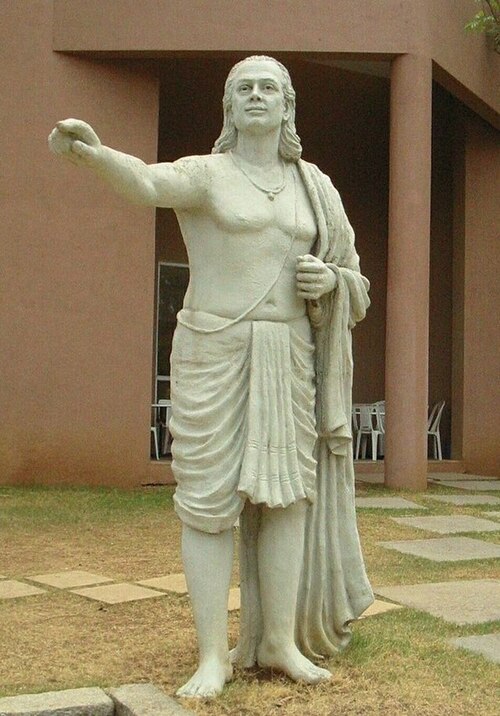
Aryabhata
Mathematical astronomy, Earth rotation and eclipse calculation.
IN598–668Brahmagupta
Advanced mathematical astronomy, interpolation and methods for planetary and eclipse calculations.
IN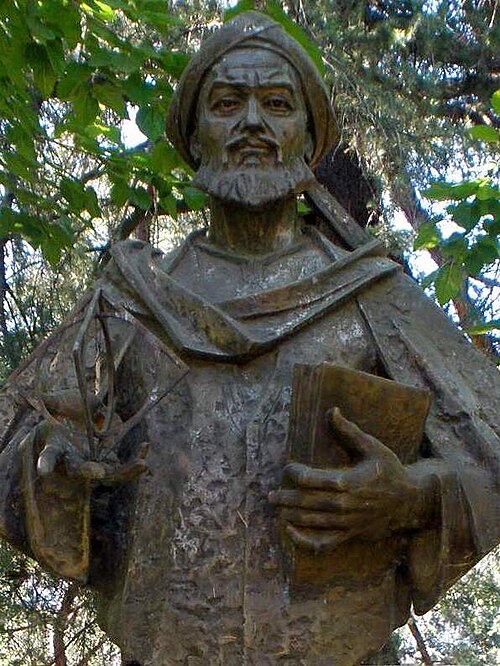 780–850
Muhammad ibn Musa al-Khwarizmi
Produced influential astronomical tables and mathematical methods transmitted across the Islamic world and Europe.
UZ · IQ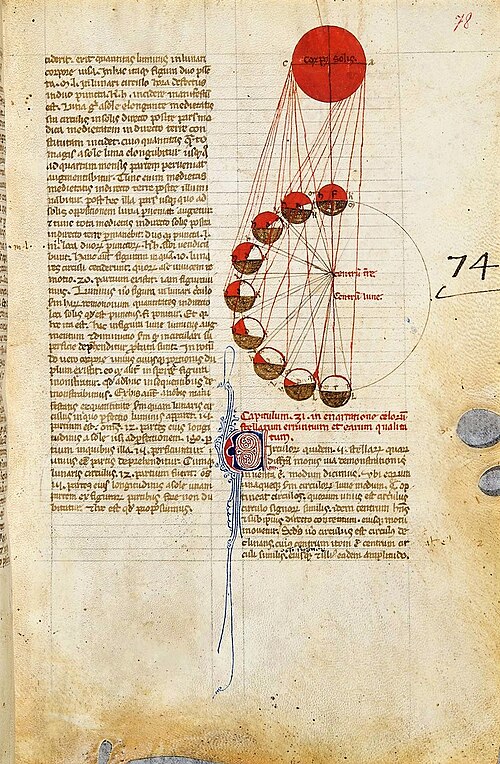 858–929
Al-Battani
Precision observations and improved solar/lunar parameters.
SY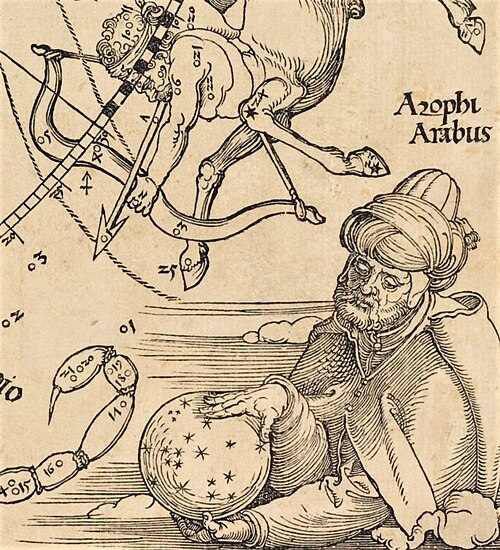 903–986
Abd al-Rahman al-Sufi
Star catalogues and descriptions of deep-sky objects.
IR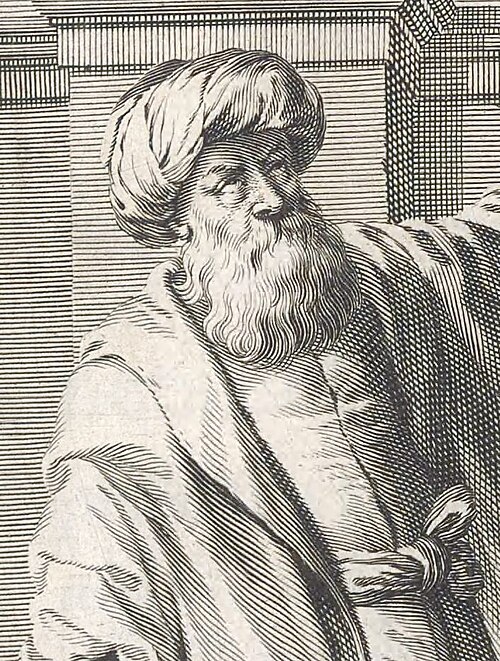 965–1040
Ibn al-Haytham
Developed physical optics and critically analyzed astronomical models, influencing later observational science.
IQ · EG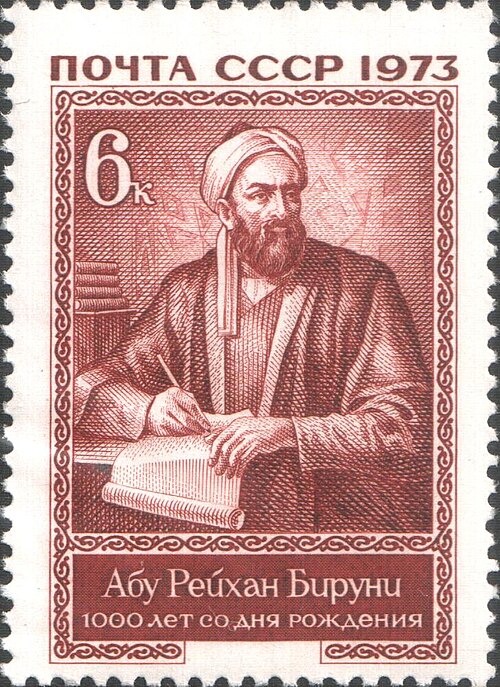 973–1048
Al-Biruni
Combined astronomy, geodesy and mathematics to measure Earth and compare astronomical traditions.
UZ · IR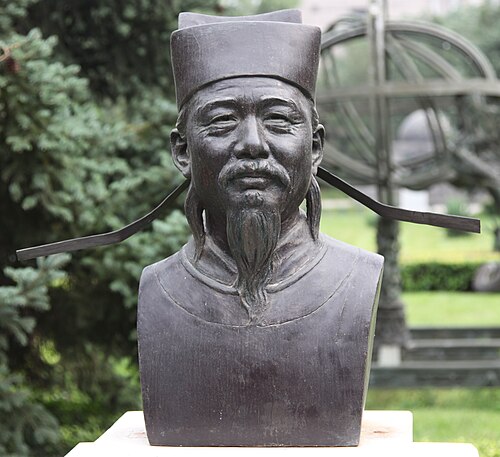 1031–1095
Shen Kuo
Recorded astronomical observations, improved calendrical work and discussed celestial and geomagnetic phenomena.
CN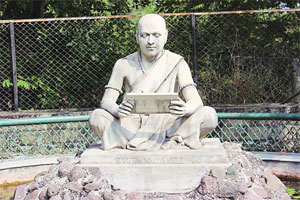 1114–1185
Bhaskara II
Developed mathematical astronomy and computational methods for planetary positions and eclipses.
IN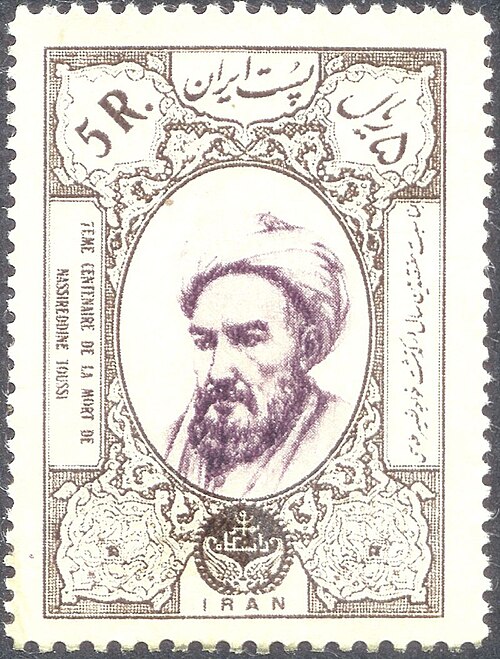 1201–1274
Nasir al-Din al-Tusi
Planetary models and the Tusi couple.
IR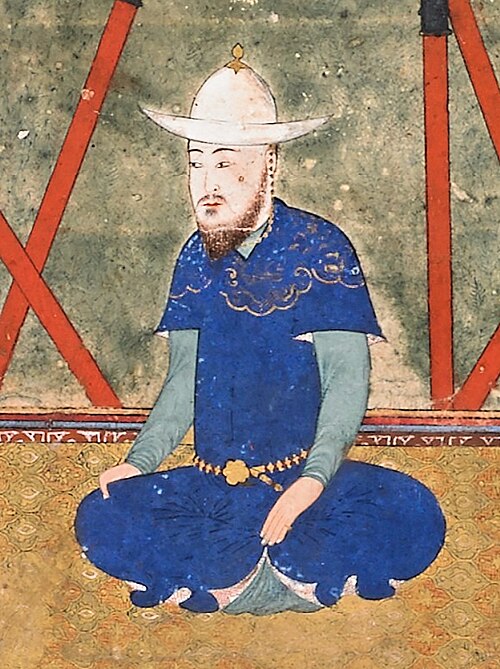 1394–1449
Ulugh Beg
Built the Samarkand observatory and produced a high-precision pre-telescopic star catalogue.
UZRenaissance revolution
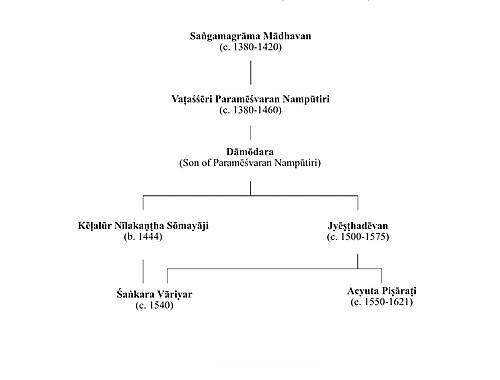 1444–1544
Nilakantha Somayaji
Developed refined mathematical planetary models in the Kerala school of astronomy.
IN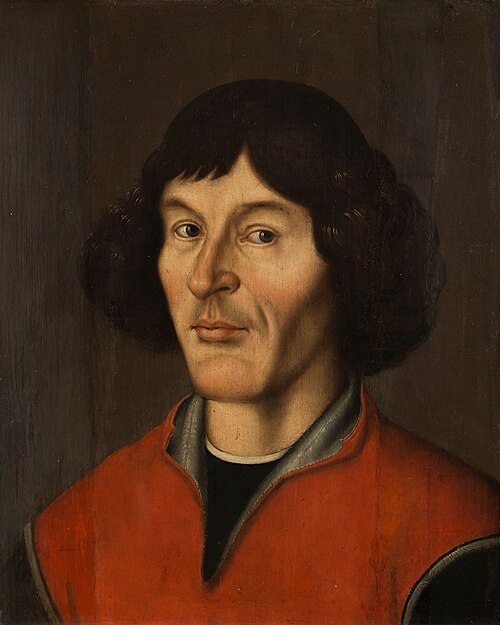 1473–1543
Nicolaus Copernicus
Heliocentric model of the planetary system.
PL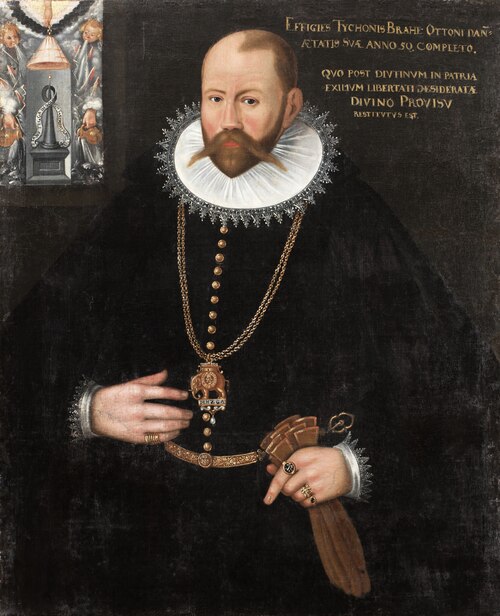 1546–1601
Tycho Brahe
Unprecedented pre-telescopic positional measurements.
DK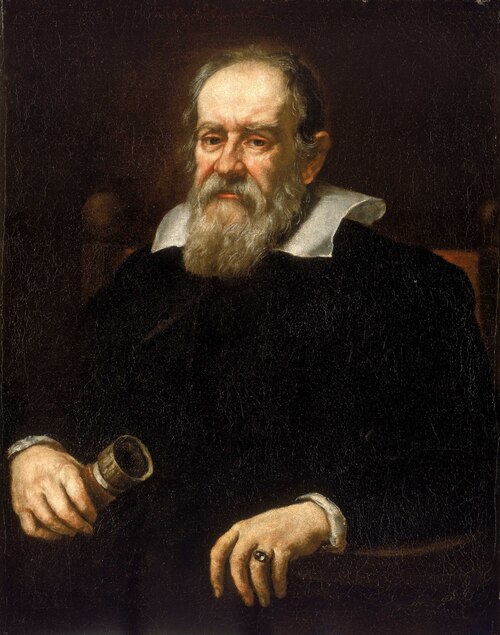 1564–1642
Galileo Galilei
Telescopic observations of the Moon, Jupiter and Venus.
IT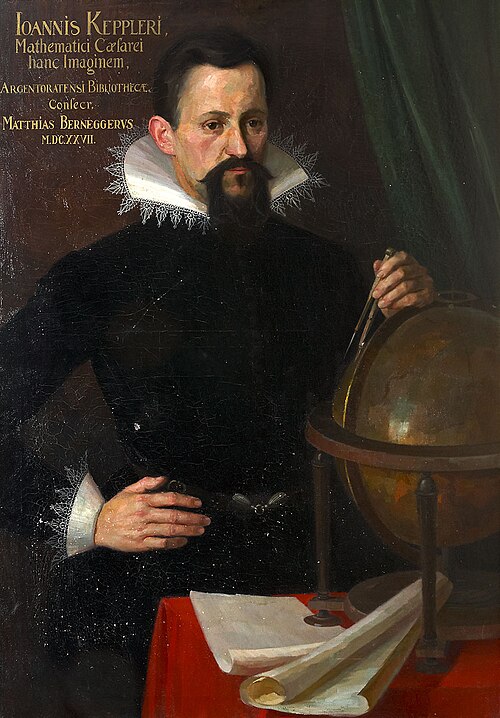 1571–1630
Johannes Kepler
Laws of planetary motion and elliptical orbits.
DEClassical celestial mechanics
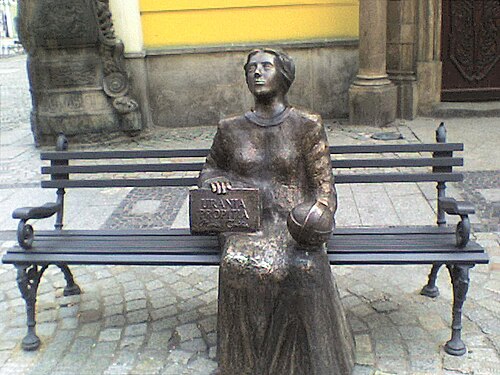 1610–1664
Maria Cunitz
Published simplified astronomical tables based on Keplerian astronomy and helped make predictive methods more usable.
PL · DE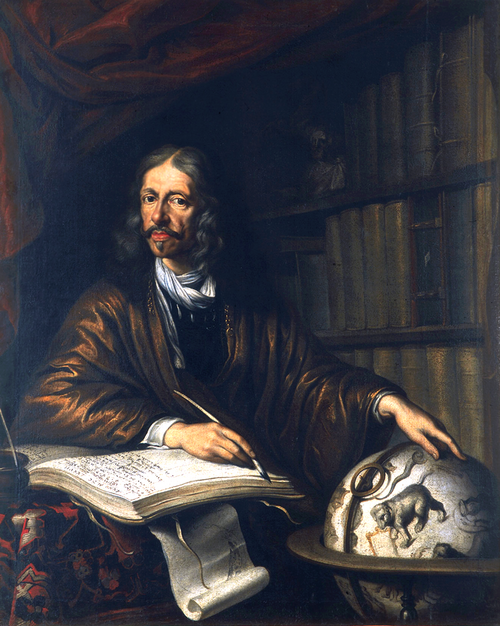 1611–1687
Johannes Hevelius
Produced detailed lunar maps and star catalogues and made precision observations before widespread micrometer use.
PL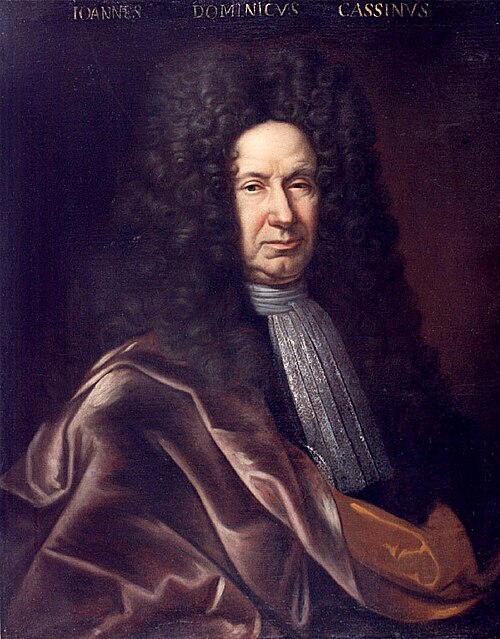 1625–1712
Giovanni Domenico Cassini
Measured planetary rotation and parallax and discovered several satellites of Saturn and the Cassini Division.
IT · FR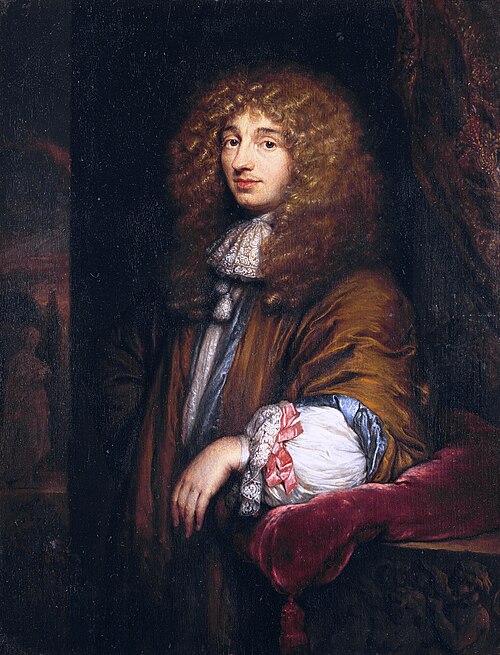 1629–1695
Christiaan Huygens
Improved telescopes, identified Titan and explained Saturn’s rings as a planetary ring system.
NL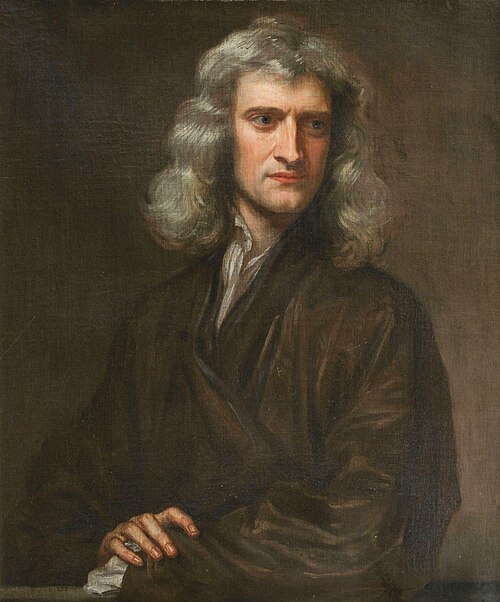 1643–1727
Isaac Newton
Universal gravitation and the dynamical synthesis of celestial and terrestrial mechanics.
GB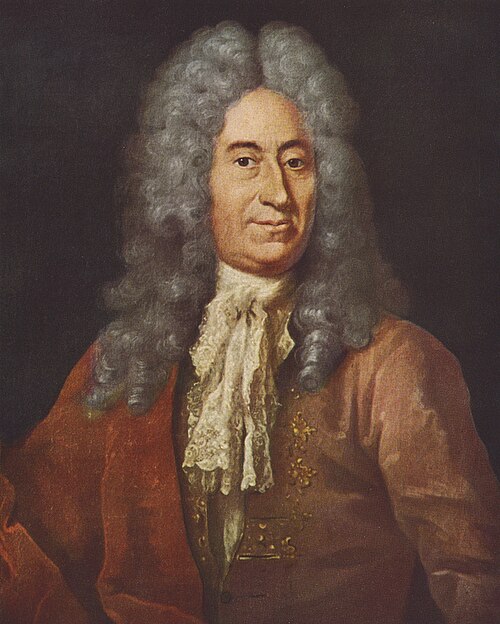 1644–1710
Ole Rømer
Used timing of Io eclipses to demonstrate that light travels at a finite speed.
DK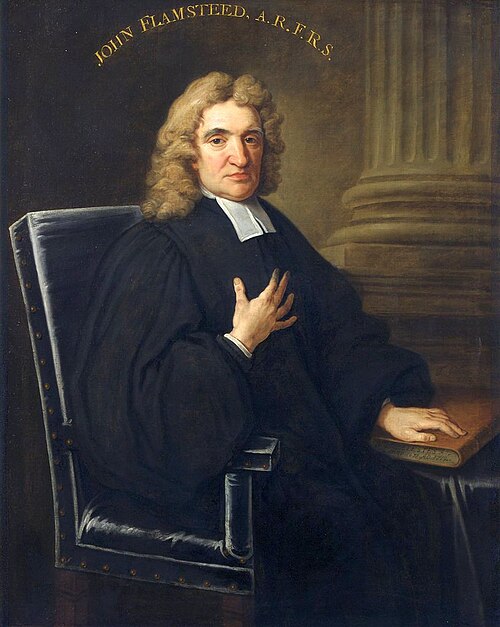 1646–1719
John Flamsteed
First Astronomer Royal of England; produced systematic positional observations and a major star catalogue.
GB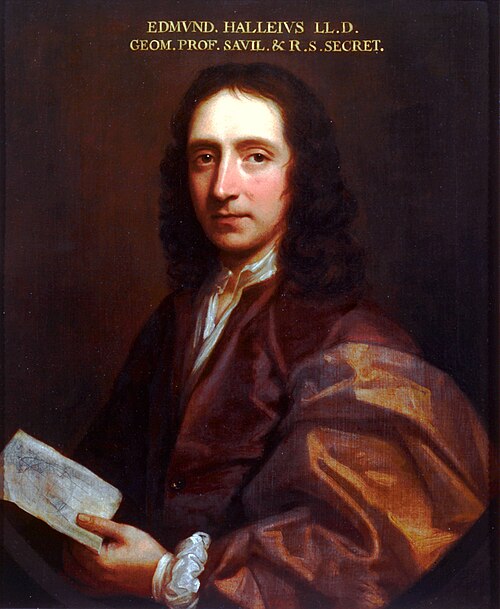 1656–1742
Edmond Halley
Periodic comet prediction and stellar proper motions.
GB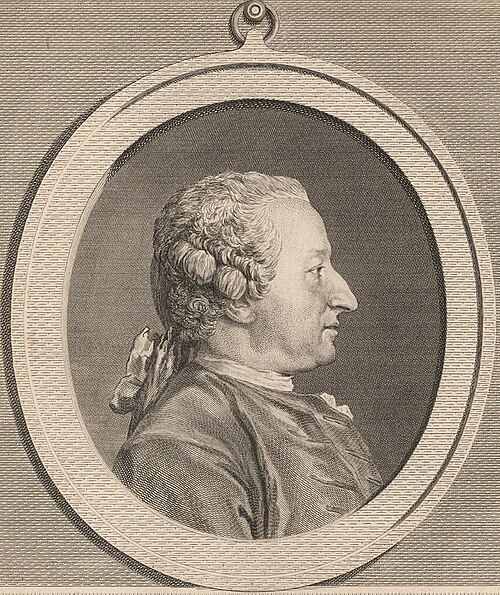 1713–1765
Alexis Clairaut
Applied Newtonian mechanics to orbital perturbations and the return of Halley’s comet.
FR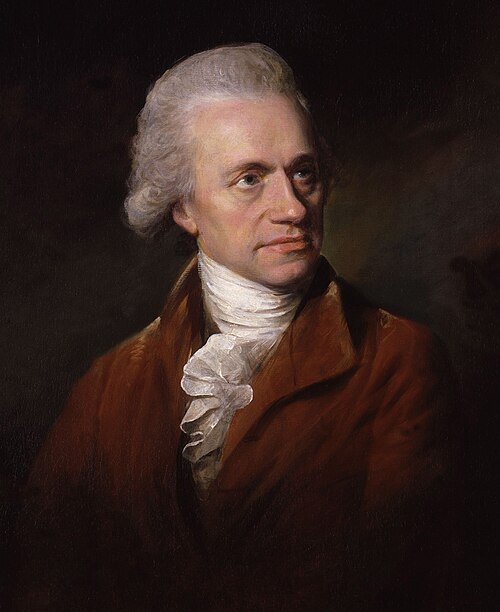 1738–1822
William Herschel
Discovery of Uranus and mapping of the Milky Way.
DE · GB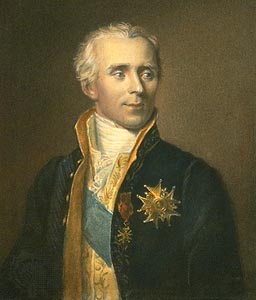 1749–1827
Pierre-Simon Laplace
Developed analytical celestial mechanics and influential ideas on Solar System dynamics and formation.
FR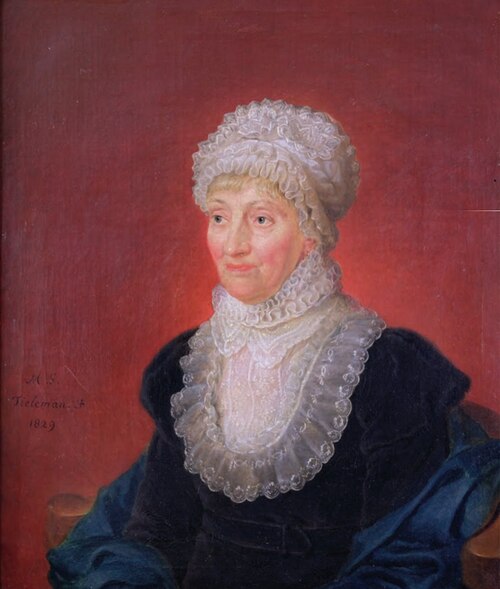 1750–1848
Caroline Herschel
Comet discoveries and systematic cataloguing.
DE · GB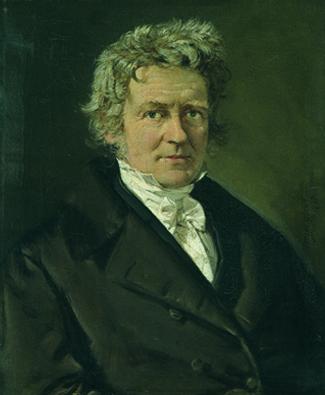 1784–1846
Friedrich Bessel
First reliable stellar parallax measurement.
DEBirth of astrophysics
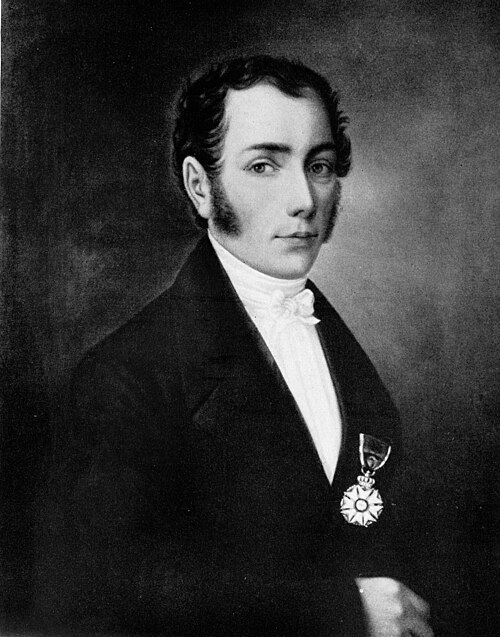 1787–1826
Joseph von Fraunhofer
Spectral lines and precision optical instrumentation.
DE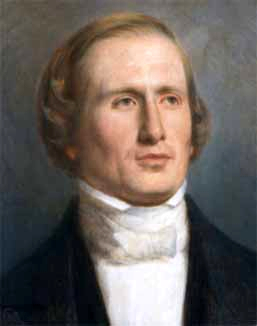 1811–1877
Urbain Le Verrier
Used orbital perturbations to predict Neptune’s position and advanced precision celestial mechanics.
FR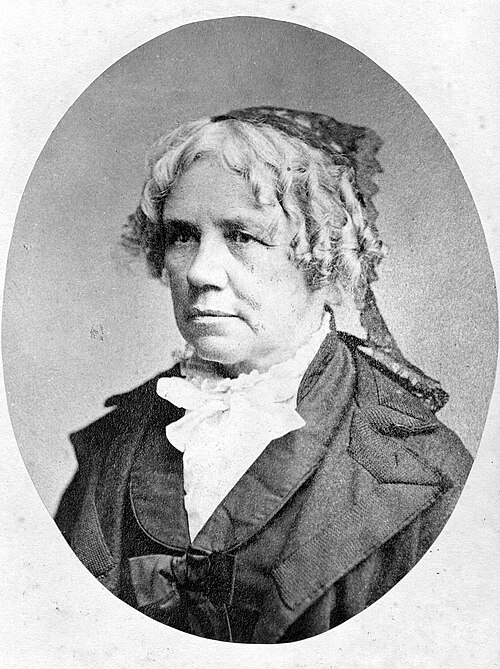 1818–1889
Maria Mitchell
Discovered a comet and became a prominent nineteenth-century observer and educator in astronomy.
US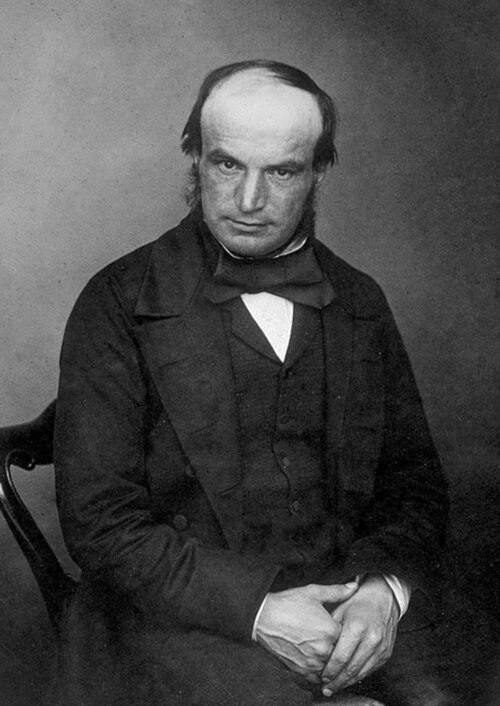 1819–1892
John Couch Adams
Independently calculated the position of an unseen planet from perturbations in Uranus’s orbit.
GB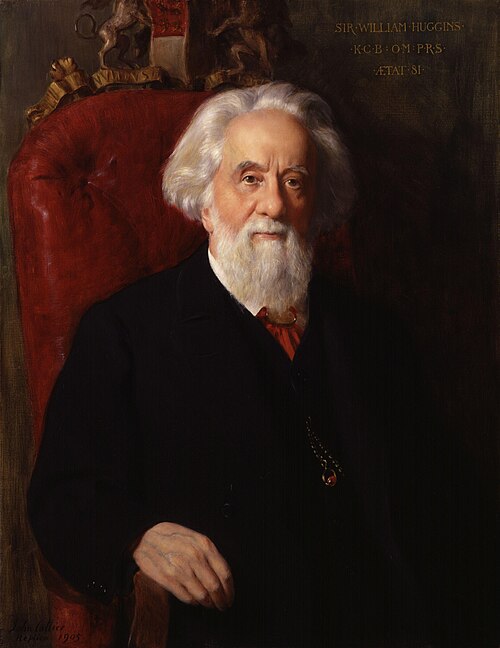 1824–1910
William Huggins
Pioneered astronomical spectroscopy, showing that stellar and nebular light carries chemical and physical information.
GB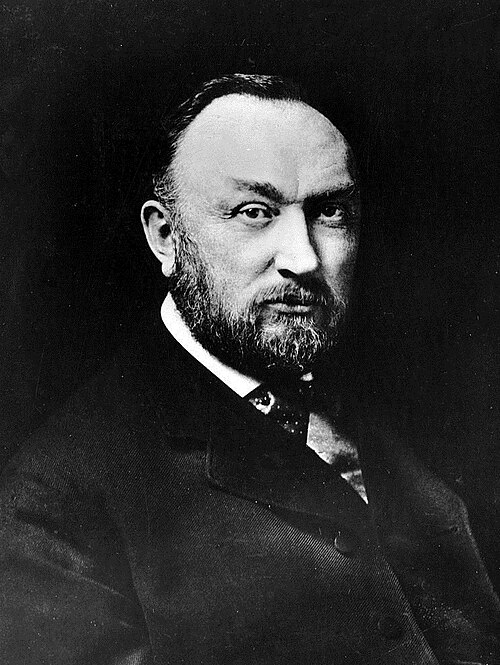 1846–1919
Edward Charles Pickering
Led large photographic and spectroscopic surveys at Harvard that transformed stellar classification and cataloguing.
US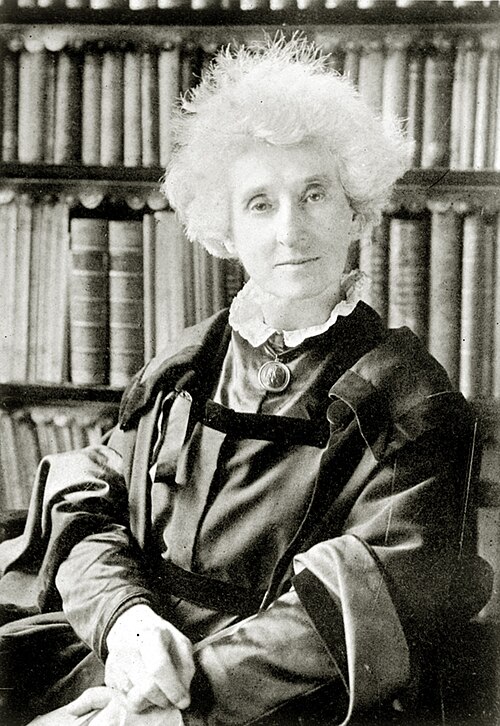 1848–1915
Margaret Lindsay Huggins
Advanced astronomical spectroscopy and photographic techniques in collaborative studies of stars and nebulae.
GB · IE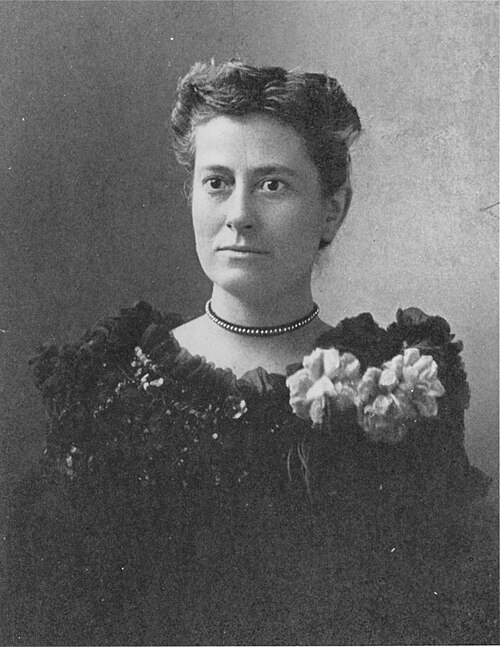 1857–1911
Williamina Fleming
Classified stellar spectra and discovered numerous variable stars, novae and unusual stellar objects from photographic plates.
GB · US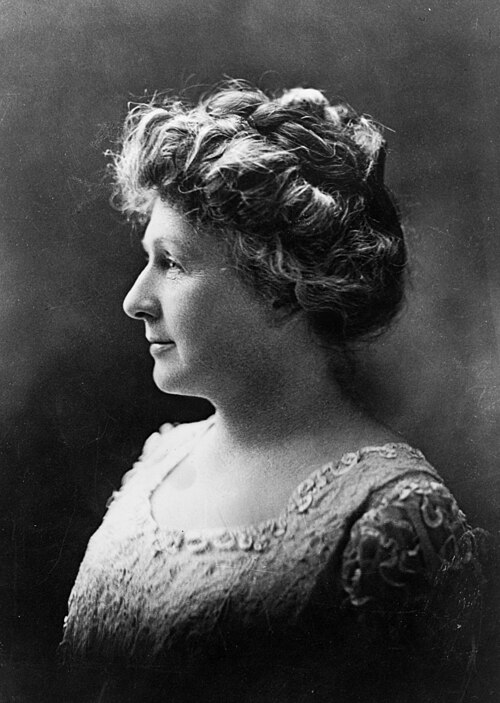 1863–1941
Annie Jump Cannon
Modern stellar spectral classification.
US 1866–1952
Antonia Maury
Developed a detailed stellar spectral classification that recognized luminosity-sensitive line differences.
US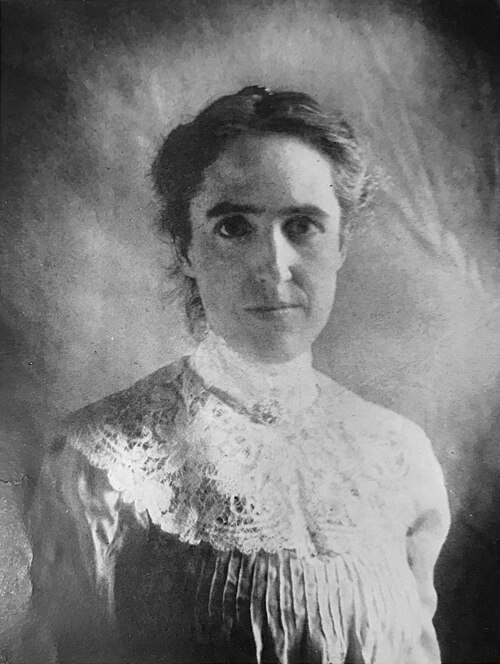 1868–1921
Henrietta Swan Leavitt
Period–luminosity relation of Cepheid variables.
US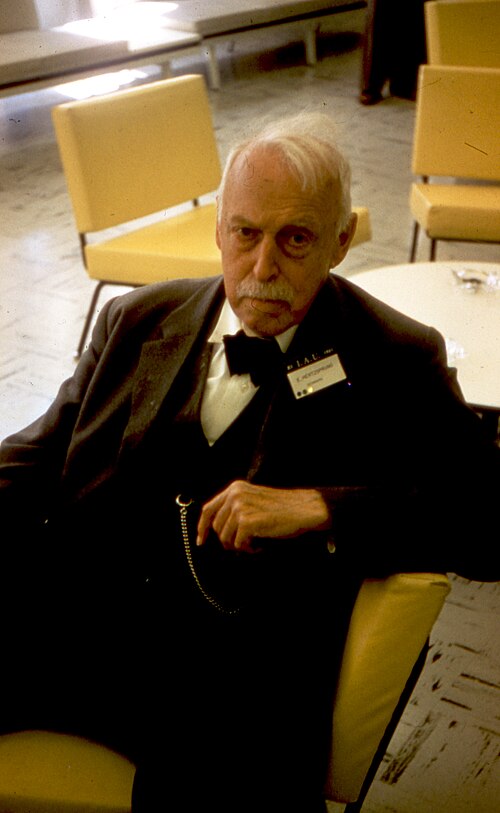 1873–1967
Ejnar Hertzsprung
Stellar luminosity classes and the H–R diagram.
DK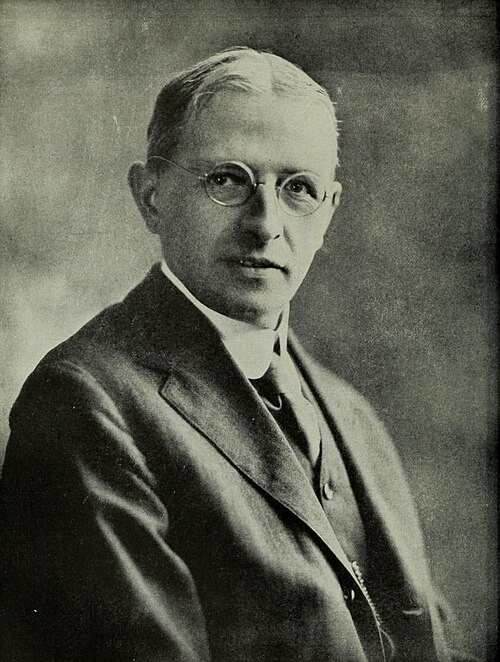 1877–1957
Henry Norris Russell
Stellar evolution and the H–R diagram.
USModern universe
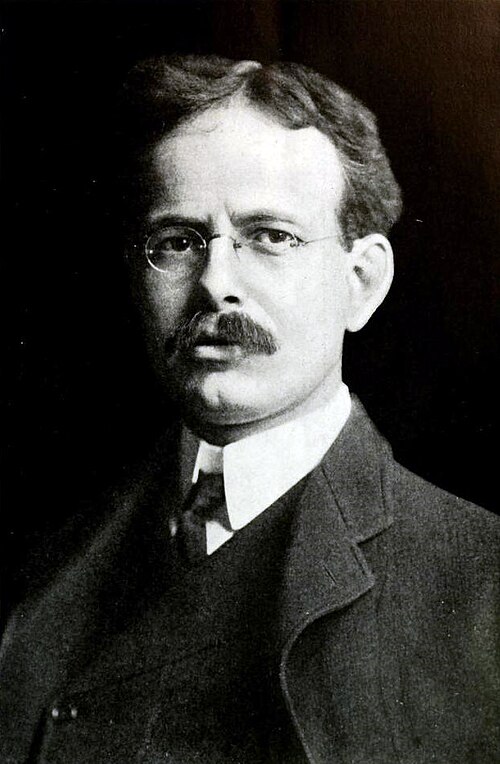 1868–1938
George Ellery Hale
Built major solar and stellar observatories and discovered magnetic fields in sunspots through spectroscopy.
US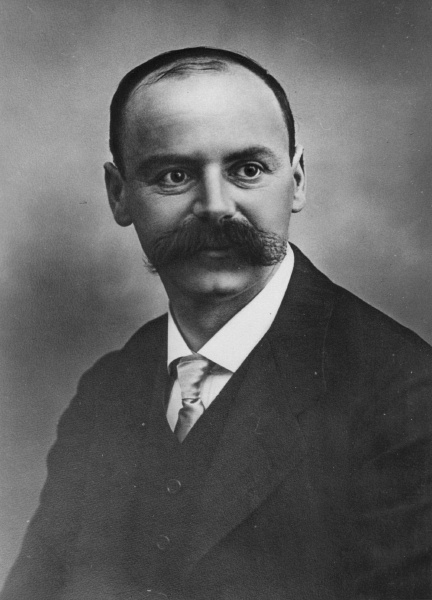 1873–1916
Karl Schwarzschild
Found the first exact spherical vacuum solution of Einstein’s field equations, foundational to black-hole physics.
DE1875–1969Vesto Slipher
Measured large radial velocities of spiral nebulae, providing key observational groundwork for cosmic expansion.
US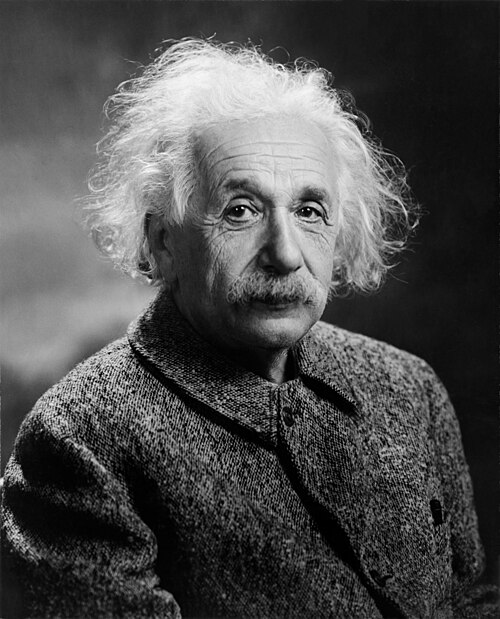 1879–1955
Albert Einstein
General relativity and gravitational lensing foundations.
DE · CH · US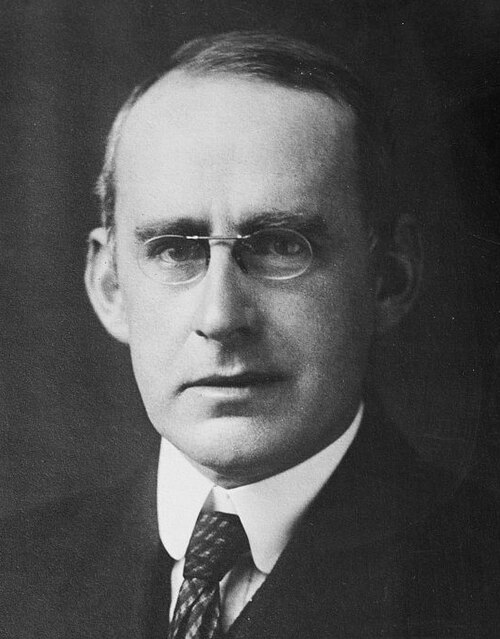 1882–1944
Arthur Eddington
Advanced stellar-structure theory and organized eclipse observations that tested relativistic light deflection.
GB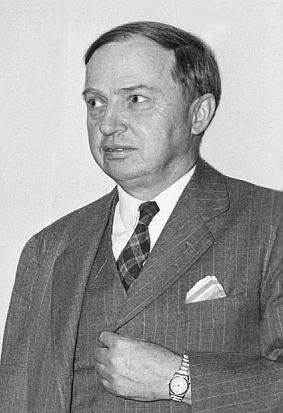 1885–1972
Harlow Shapley
Used globular clusters and variable stars to infer the large scale of the Milky Way and the Sun’s off-center position.
US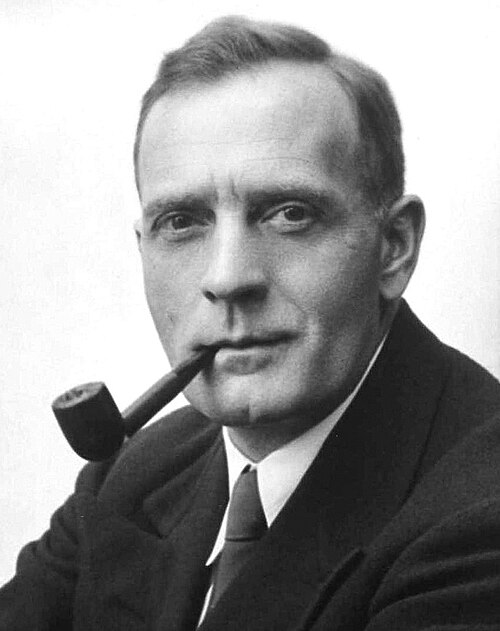 1889–1953
Edwin Hubble
Extragalactic distance scale and expansion observations.
US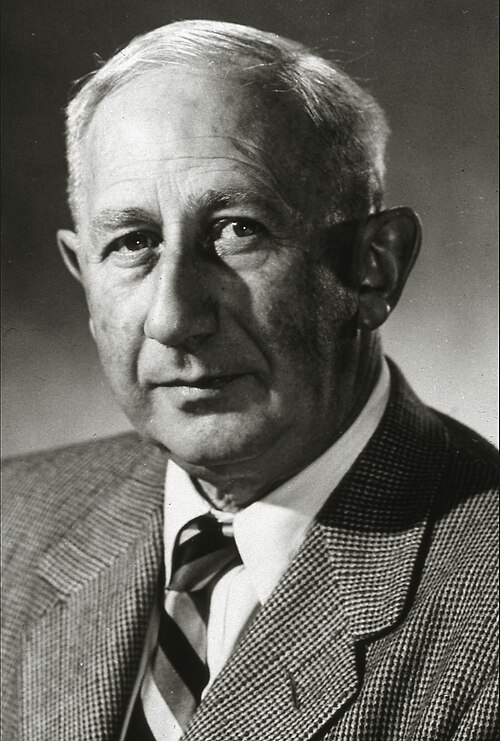 1893–1960
Walter Baade
Distinguished major stellar populations and recalibrated the extragalactic distance scale using resolved stars.
DE · US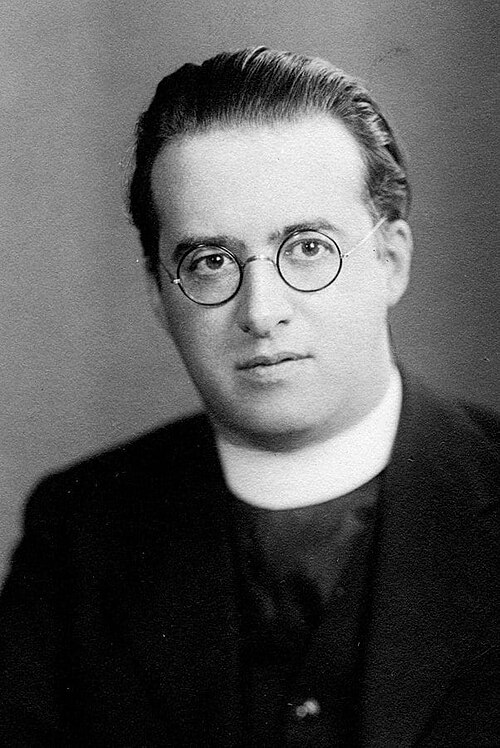 1894–1966
Georges Lemaître
Expanding-universe solutions and the primeval-atom idea.
BE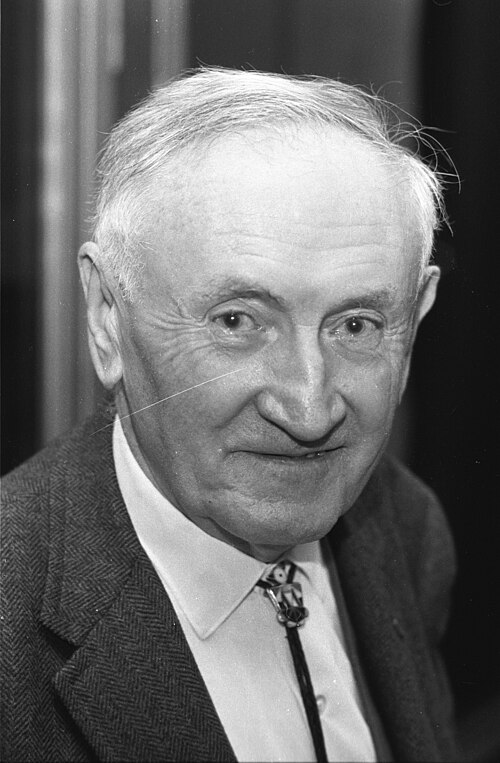 1898–1974
Fritz Zwicky
Dark-matter evidence in galaxy clusters and supernova research.
CH · US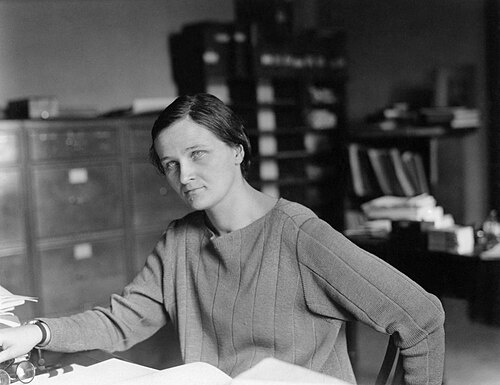 1900–1979
Cecilia Payne-Gaposchkin
Established that stars are mainly hydrogen and helium.
GB · US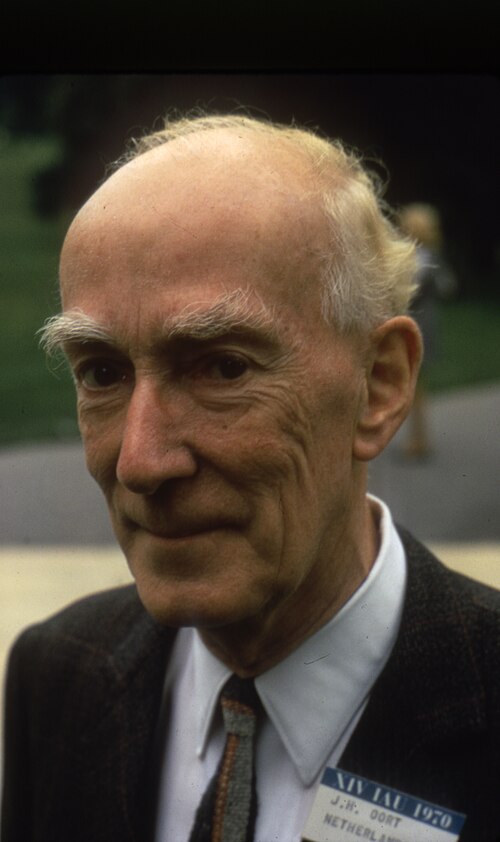 1900–1992
Jan Oort
Milky Way dynamics and comet-cloud hypothesis.
NL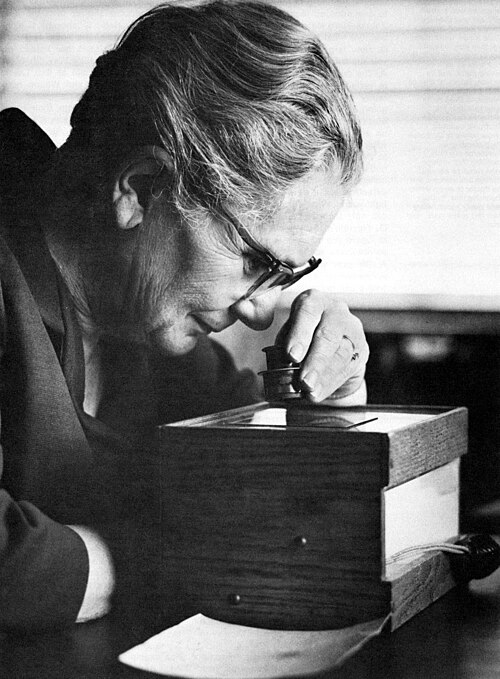 1905–1993
Helen Sawyer Hogg
Studied variable stars in globular clusters and built catalogues important for Galactic structure and distance work.
CA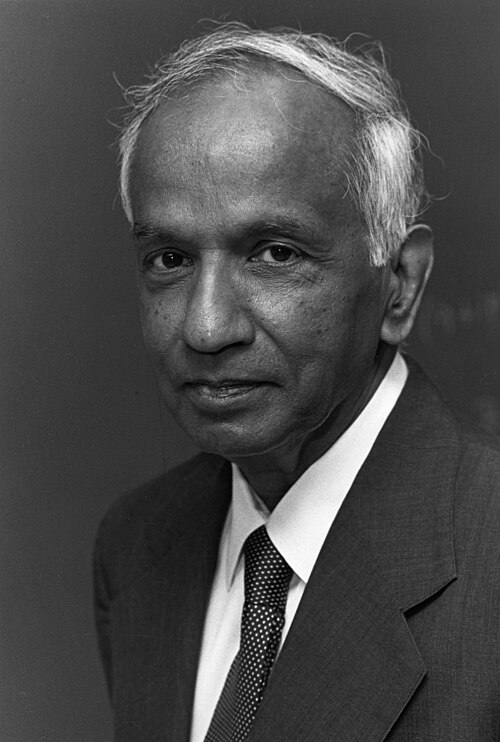 1910–1995
Subrahmanyan Chandrasekhar
Theory of stellar structure, white dwarfs and compact objects.
IN · US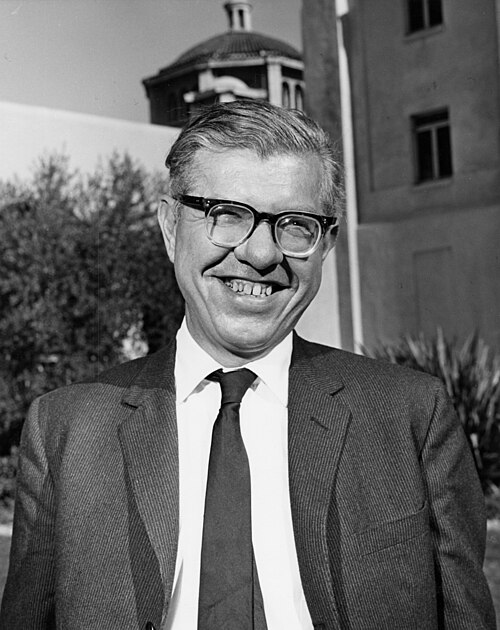 1915–2001
Fred Hoyle
Made major contributions to stellar nucleosynthesis and promoted steady-state cosmology as a historical alternative to Big Bang models.
GB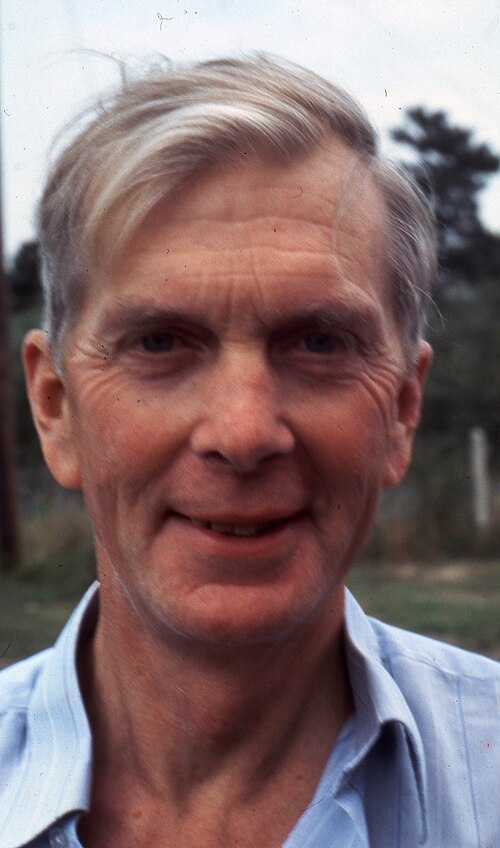 1918–1984
Martin Ryle
Pioneered radio aperture synthesis and used radio-source surveys to study cosmology and radio galaxies.
GB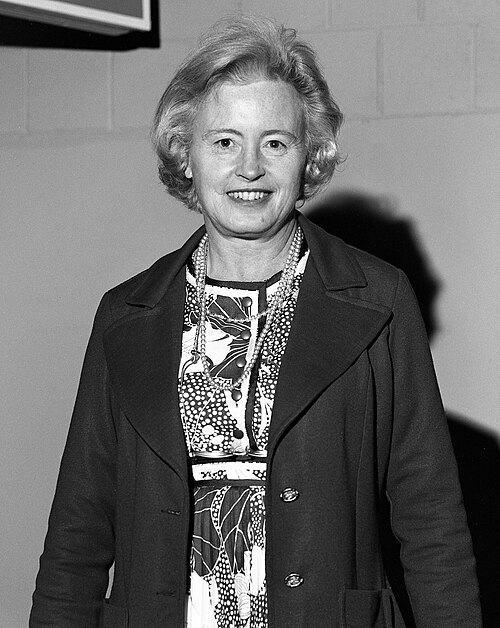 1919–2020
Margaret Burbidge
Co-developed the modern theory of stellar nucleosynthesis and carried out influential spectroscopy of galaxies and quasars.
GB · US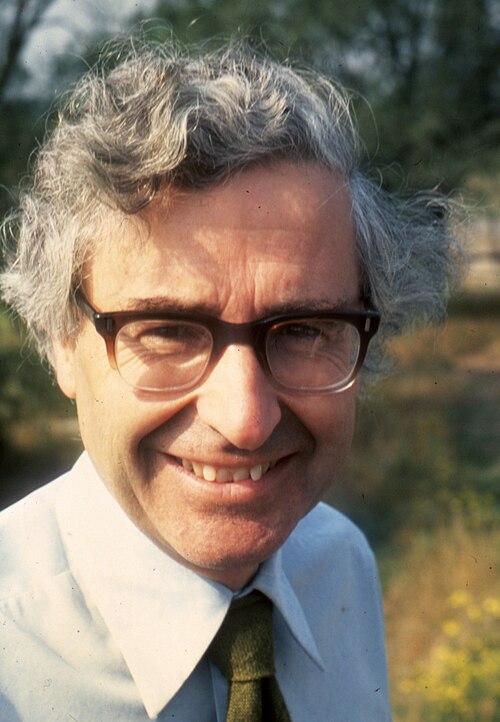 1924–2021
Antony Hewish
Developed radio-interferometric methods used in the observations that led to the discovery of pulsars.
GB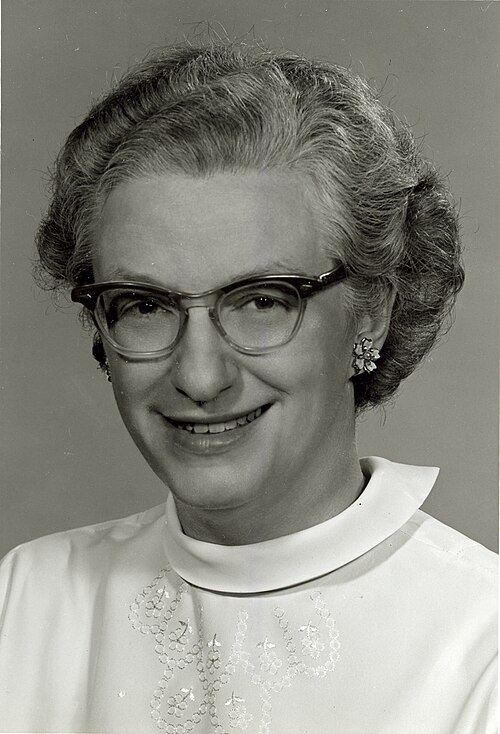 1925–2018
Nancy Grace Roman
NASA’s first Chief of Astronomy; shaped the agency’s space-astronomy program and helped enable major space telescopes.
US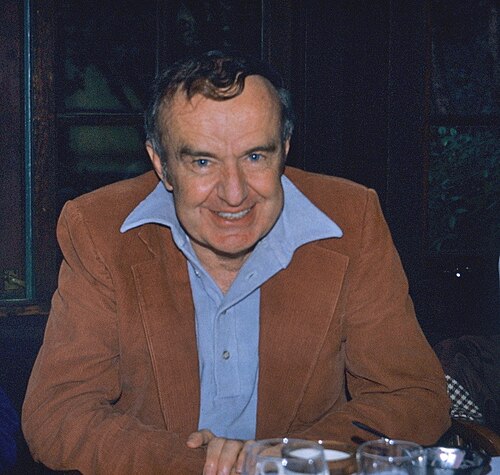 1926–2010
Allan Sandage
Refined the extragalactic distance scale and observational cosmology using galaxies, Cepheids and supernovae.
US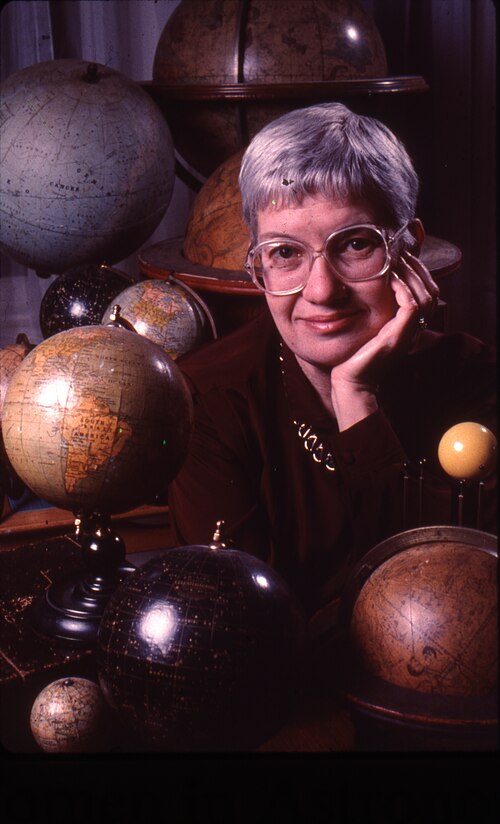 1928–2016
Vera Rubin
Galaxy rotation curves and evidence for dark matter.
US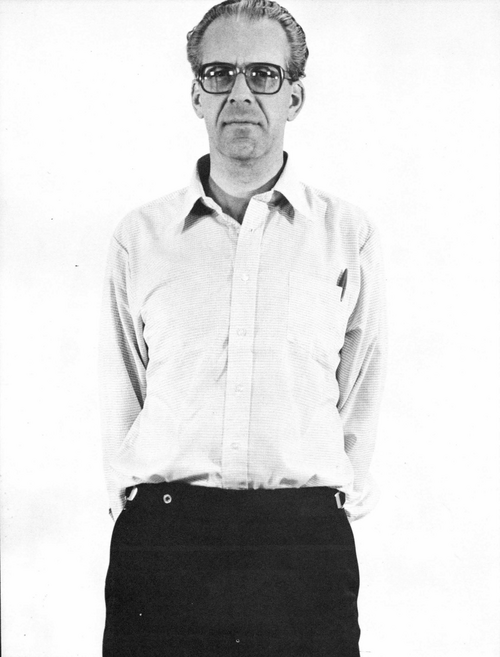 1929–2022
Maarten Schmidt
Recognized the large redshift of quasars, establishing them as extremely luminous distant objects.
NL · US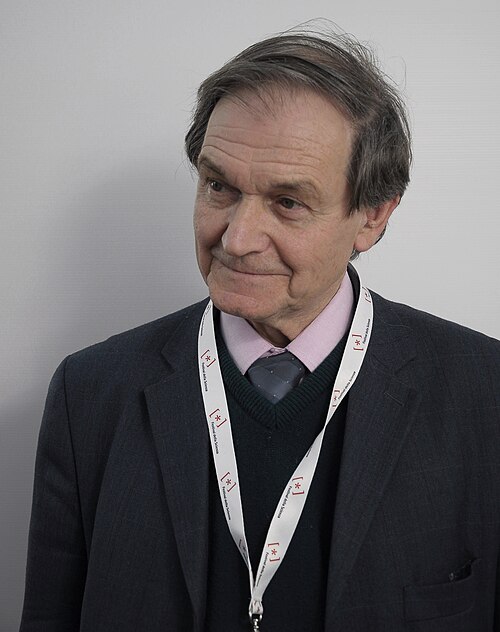 1931–
1931–Roger Penrose
Singularity theorems and mathematical relativity.
GB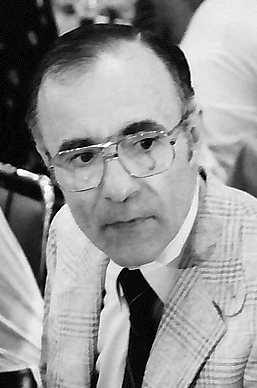 1933–2024
Arno Penzias
Co-discovery of the cosmic microwave background.
DE · US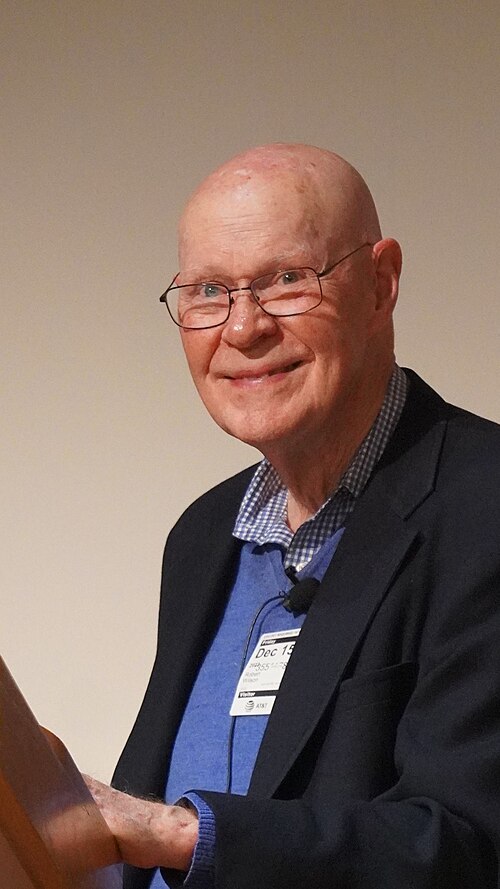 1936–
1936–Robert Woodrow Wilson
Co-discovery of the cosmic microwave background.
US1941–1981Beatrice Tinsley
Developed influential models of galaxy evolution and showed how stellar populations affect cosmological observations.
NZ · US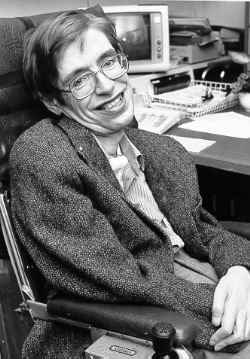 1942–2018
Stephen Hawking
Black-hole thermodynamics and quantum cosmology.
GB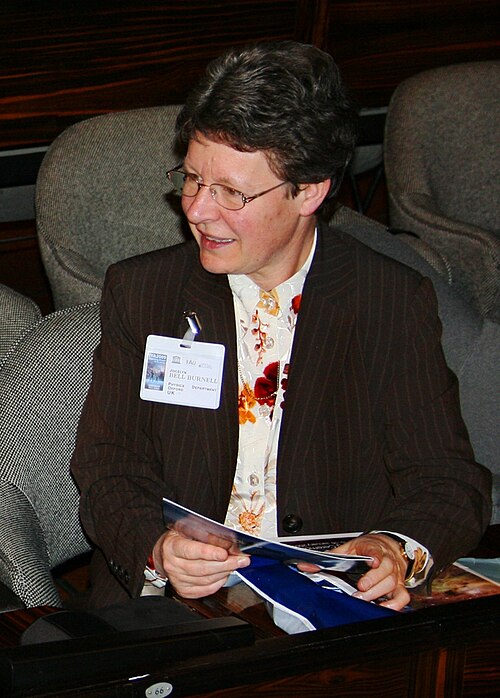 1943–
1943–Jocelyn Bell Burnell
Discovery of pulsars.
GBPrecision & multi-messenger era
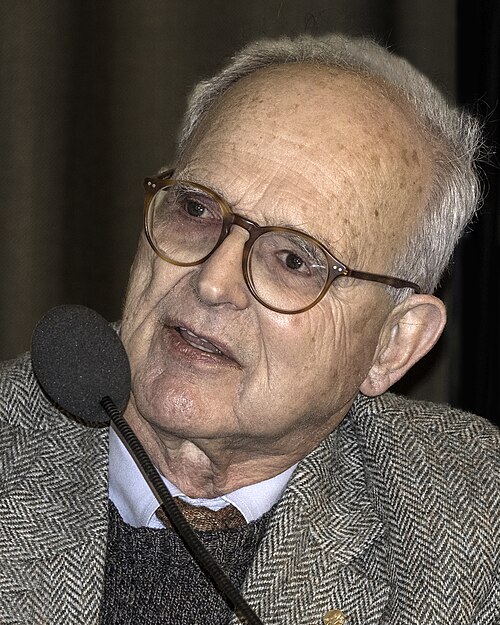 1932–
1932–Rainer Weiss
Developed the laser-interferometer concept and noise analysis central to LIGO gravitational-wave detection.
DE · US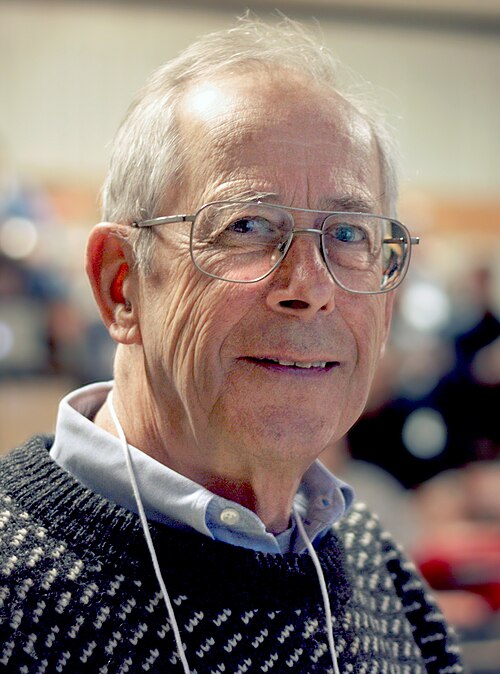 1935–
1935–James Peebles
Built much of the theoretical framework for physical cosmology, dark matter and the growth of large-scale structure.
CA · US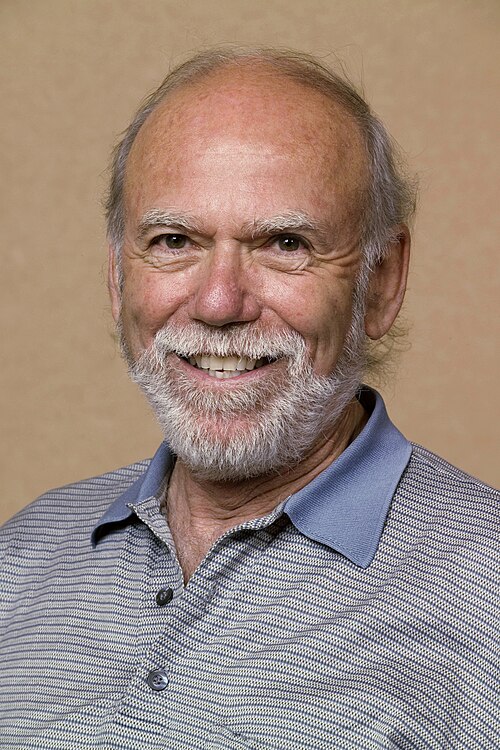 1936–
1936–Barry Barish
Led major organizational and technical development of LIGO into a large-scale gravitational-wave observatory.
US 1939–
1939–William Borucki
Principal investigator of the Kepler mission, which used transits to discover and characterize thousands of exoplanet candidates.
US 1940–
1940–Kip Thorne
Relativistic astrophysics and gravitational-wave theory.
US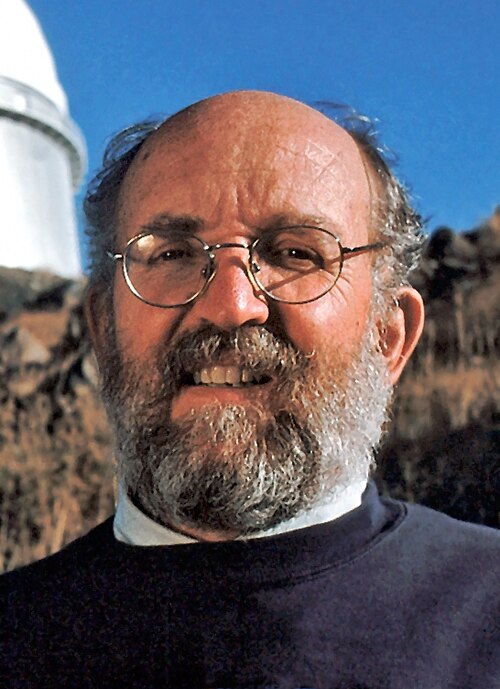 1942–
1942–Michel Mayor
Radial-velocity discovery of an exoplanet around a Sun-like star.
CH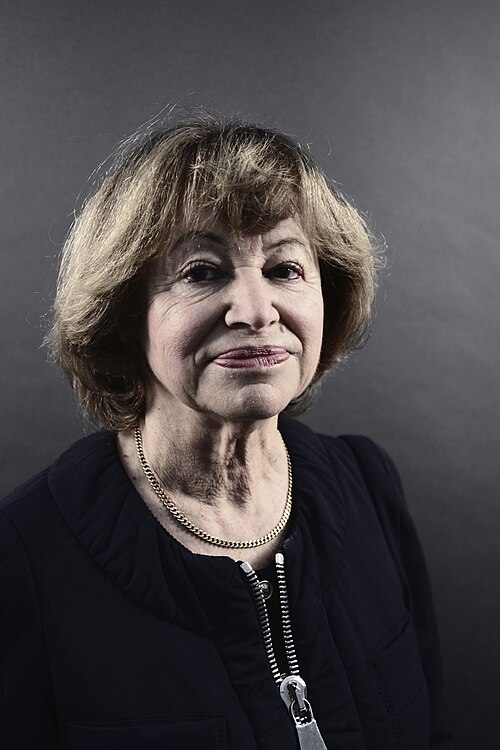 1943–
1943–Catherine Cesarsky
Contributed to infrared astronomy, cosmic-ray physics and the development and leadership of major observatories.
FR · AR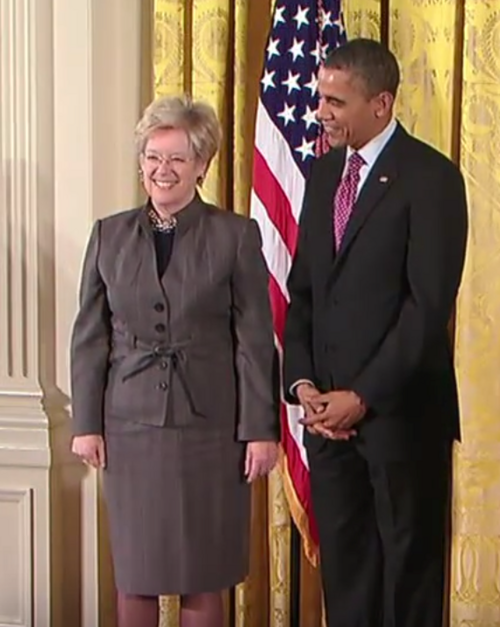 1944–
1944–Sandra Faber
Made major contributions to galaxy scaling relations, dark-matter studies and the formation and evolution of galaxies.
US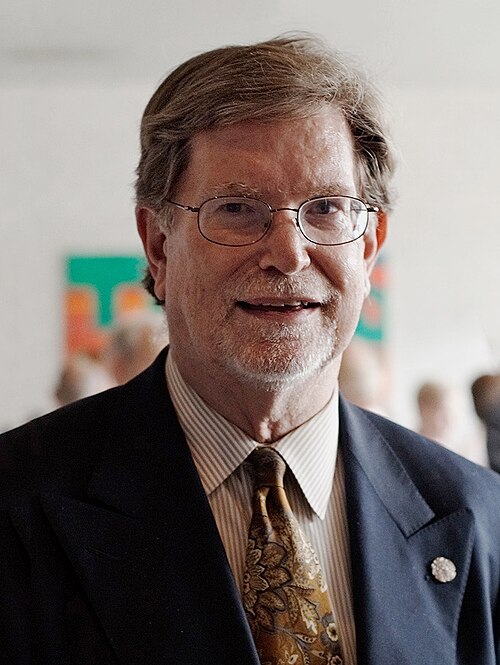 1945–
1945–George F. Smoot
Led COBE studies that detected large-angle anisotropies in the cosmic microwave background.
US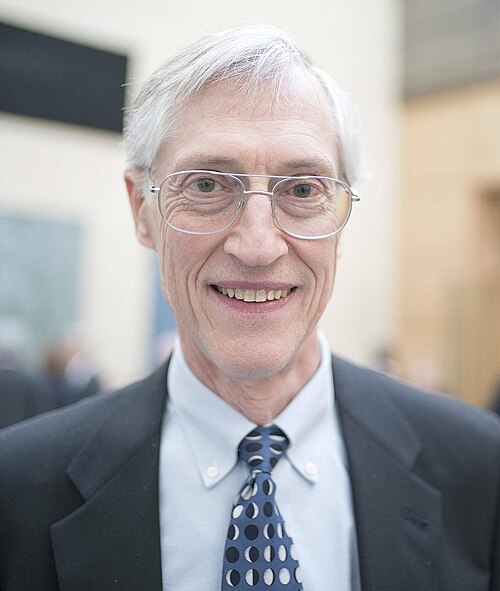 1946–
1946–John C. Mather
Led COBE measurements establishing the CMB’s near-perfect blackbody spectrum and supporting precision cosmology.
US 1947–
1947–Margaret Geller
Mapped the large-scale distribution of galaxies, revealing walls, filaments and voids in the cosmic web.
US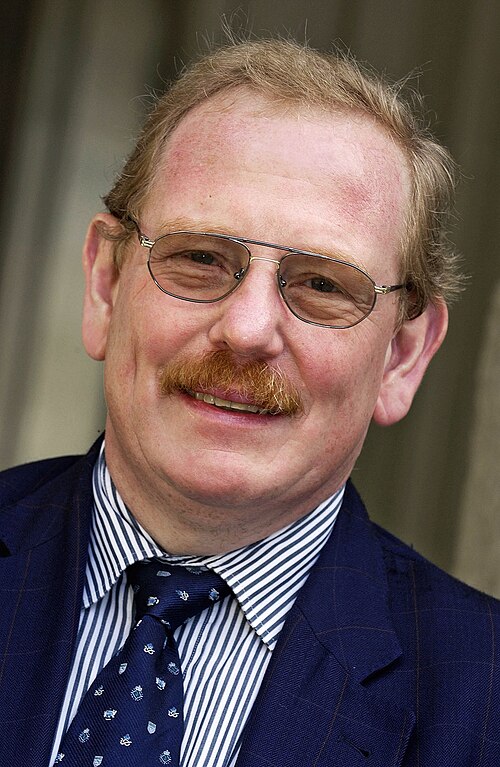 1952–
1952–Reinhard Genzel
Infrared observations of stellar motions around Sagittarius A*.
DE 1953–
1953–Carolyn Porco
Led imaging science for planetary missions and studied Saturn’s rings and moons in detail.
US 1955–
1955–Ewine van Dishoeck
Advanced molecular astrophysics and astrochemistry of interstellar clouds and planet-forming environments.
NL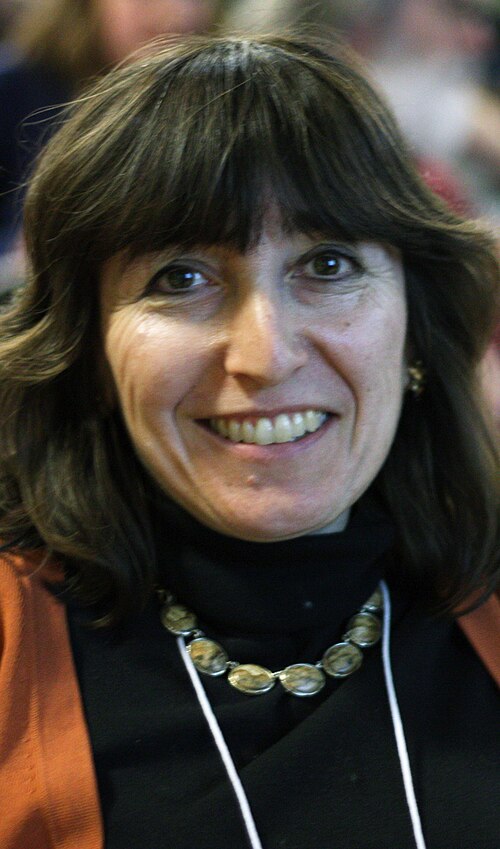 1957–
1957–Wendy Freedman
Led precision measurements of the Hubble constant using the extragalactic distance ladder and space-telescope observations.
CA · US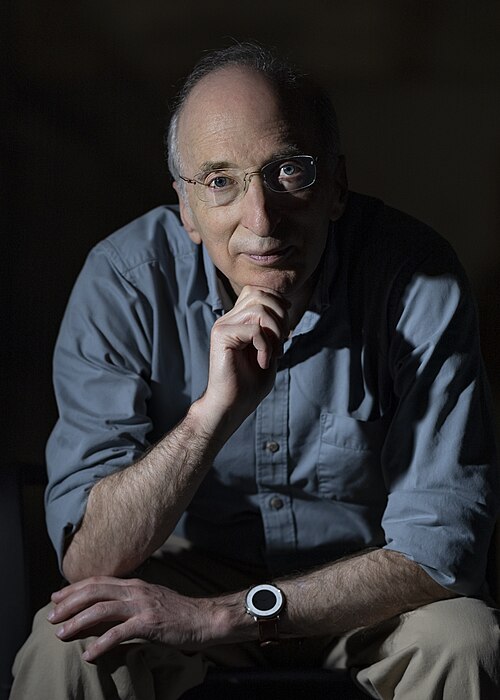 1959–
1959–Saul Perlmutter
Supernova cosmology and accelerating expansion.
US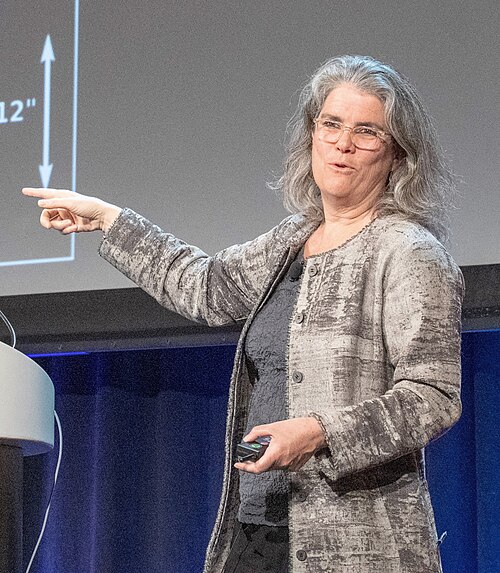 1965–
1965–Andrea Ghez
Stellar-orbit evidence for the Milky Way central supermassive black hole.
US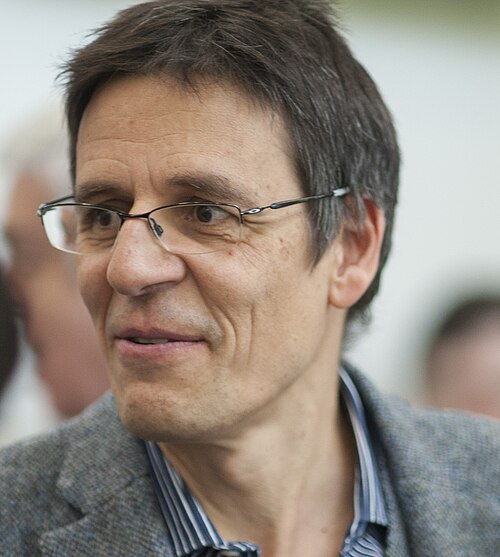 1966–
1966–Didier Queloz
Co-discovery of 51 Pegasi b.
CH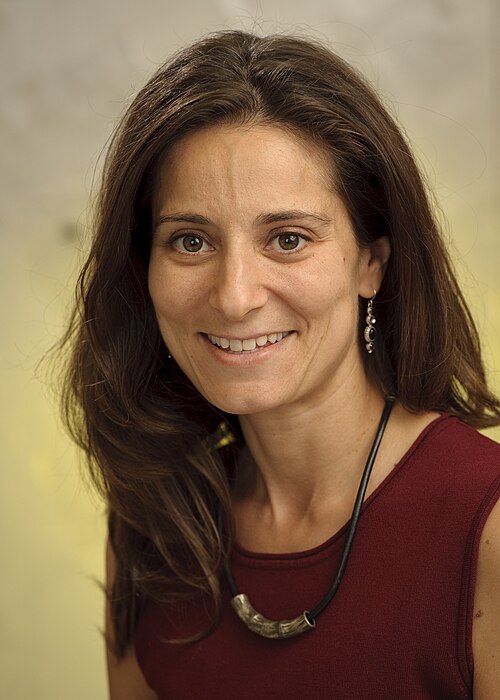 1966–
1966–Natalie Batalha
Led major scientific work with NASA’s Kepler mission and helped establish the statistical abundance of exoplanets.
US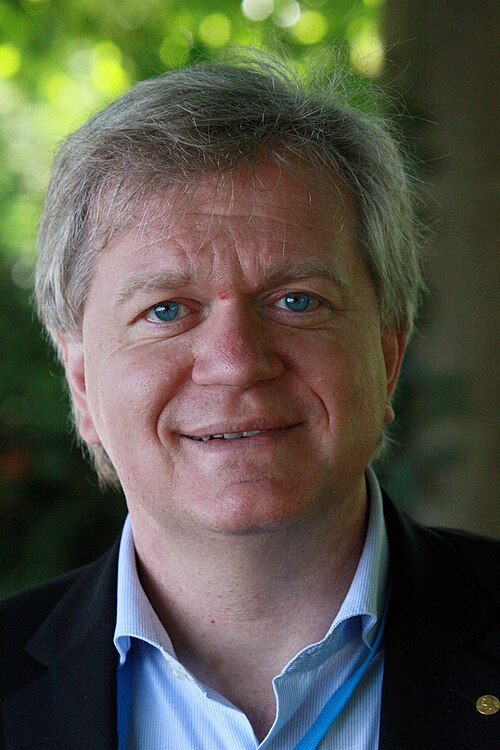 1967–
1967–Brian Schmidt
Supernova cosmology and accelerating expansion.
AU · US1968–Nergis Mavalvala
Advanced precision interferometry and quantum optical techniques for gravitational-wave detectors.
PK · US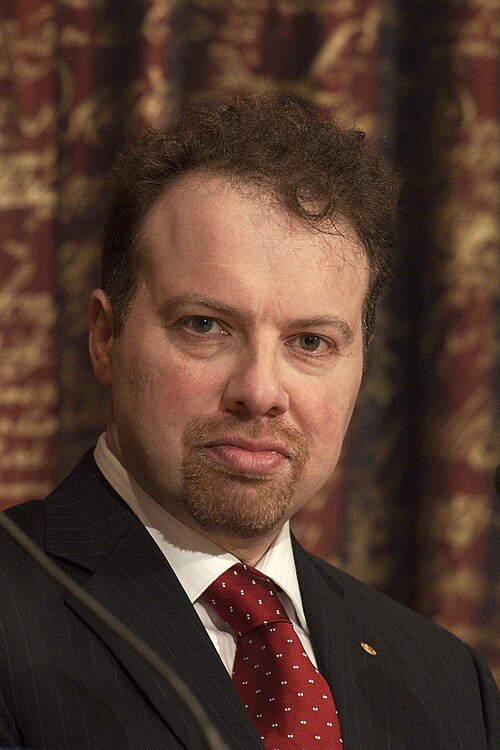 1969–
1969–Adam Riess
Type Ia supernova evidence for accelerating cosmic expansion.
US 1969–
1969–Priyamvada Natarajan
Developed theoretical work on dark matter, gravitational lensing and the growth of massive black holes.
IN · US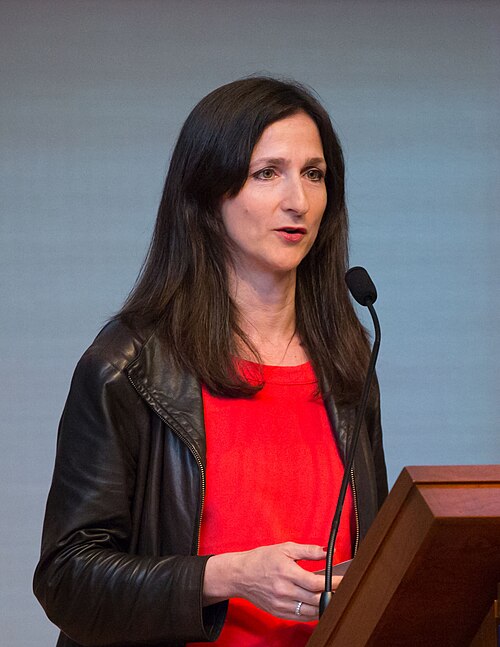 1971–
1971–Sara Seager
Developed theory and retrieval methods for exoplanet atmospheres and biosignatures.
CA · US 1974–
1974–David Charbonneau
Pioneered transit observations and atmospheric characterization of exoplanets.
CA · US